The evolution of casinos tracing the history of gambling entertainment
The Origins of Gambling
The roots of gambling can be traced back to ancient civilizations, where games of chance were a source of both entertainment and social interaction. Archaeological findings suggest that as far back as 3000 BC, Chinese citizens were using rudimentary dice made from animal bones. These early forms of gaming laid the groundwork for future gambling practices, indicating that humanity has long had an intrinsic attraction to risk and reward. For those interested in a more modern approach, our list of uk betting sites offers insights into contemporary platforms.
In ancient Rome, gambling became more formalized with various games, including dice games and betting on gladiatorial contests. This period showcased the integration of gambling into daily life, where it was not just a pastime but also a means of community bonding. With the expansion of the Roman Empire, the influence of gambling spread across Europe, setting the stage for the development of structured gaming establishments.
The Middle Ages saw a diversification of gambling practices, with card games emerging as a popular form of entertainment. The advent of playing cards, which originated in China and reached Europe by the late 14th century, led to the creation of various card games that would later evolve into the casinos we know today. Gambling began to be recognized not merely as a game of chance but as a cultural activity that reflected societal values.
The Birth of Casinos
The first recognized casino is believed to be the Ridotto, established in Venice in 1638. It was designed to provide a regulated environment for gambling, offering games like baccarat and various forms of dice games. This marked the shift from informal betting to a more organized approach to gambling, where patrons could enjoy a controlled atmosphere. The concept of the casino as a dedicated space for gambling began to take shape, evolving into a popular attraction for both locals and tourists.
As gambling establishments spread throughout Europe, each country added its unique flair to casino culture. For example, France became known for its elegant and sophisticated gambling houses, while England introduced the betting room concept, which would later evolve into the modern sportsbook. The evolution of these spaces reflected changing attitudes toward gambling, transforming it from a vice into a socially accepted form of entertainment.
By the 19th century, casinos were thriving in Europe and began making their way to America. The Gold Rush in the 1840s sparked a wave of gambling establishments, particularly in places like San Francisco and New Orleans. These casinos often reflected the local culture and were influential in shaping the social landscape of the time, turning gambling into a popular leisure activity among a diverse population.
The Rise of Las Vegas
The Las Vegas Strip has become synonymous with the modern casino experience, but its rise to prominence is a story of transformation. In the early 20th century, Las Vegas was a small railroad town with minimal gambling. However, following the legalization of gambling in Nevada in 1931, the city began to attract those seeking entertainment and escapism. The construction of the Flamingo Hotel in 1946 marked the beginning of the Las Vegas we know today.
The 1950s and 1960s saw a significant expansion in the casino industry, driven by mob influence and the establishment of luxurious resorts. Iconic properties like the Sands and the Riviera became symbols of opulence, catering to high rollers and Hollywood stars alike. This period solidified Las Vegas as the epicenter of gambling entertainment, drawing millions of visitors each year and setting the standard for casinos worldwide.
Entering the 21st century, Las Vegas has continued to evolve, embracing technology and innovative experiences. The rise of online gambling and mobile gaming has transformed the landscape, leading traditional casinos to adapt by incorporating high-tech gaming machines and immersive experiences. Today, Las Vegas not only serves as a gambling hub but also as a global entertainment destination, offering everything from concerts to fine dining.
The Impact of Online Gambling
The digital revolution has significantly changed the casino landscape with the introduction of online gambling platforms. Beginning in the mid-1990s, online casinos allowed players to enjoy their favorite games from the comfort of their homes. This shift has increased accessibility to gambling, allowing a broader audience to engage with various games and betting options without the need to visit a physical location.
Online gambling has also fostered innovation in game design and technology, with developers creating immersive experiences that rival traditional casinos. Features such as live dealer games and virtual reality environments have emerged, enhancing player engagement and interaction. The ability to offer promotions and bonuses online has transformed how casinos attract new players and retain existing ones, creating a competitive market.
As legislation continues to evolve, various regions are beginning to regulate online gambling, ensuring player safety and fair practices. This transition has resulted in a more legitimate industry, where players can enjoy gambling entertainment without concerns about fraud. The future of gambling appears to be a hybrid model, combining traditional casinos with online platforms to create a seamless gaming experience.
The Future of Casinos and Gambling Entertainment
Looking ahead, the future of casinos is poised for significant transformation, driven by technological advancements and changing consumer preferences. The integration of artificial intelligence in gaming is opening up new avenues for personalized experiences, allowing casinos to tailor offerings to individual players’ preferences. Additionally, augmented reality and virtual reality may redefine how games are played, making them more immersive and interactive.
Moreover, sustainability has become a vital concern for modern casinos, with many establishments looking to implement eco-friendly practices. From energy-efficient buildings to waste reduction initiatives, the casino industry is beginning to recognize its role in promoting environmental responsibility. This shift not only appeals to a more socially conscious audience but also aligns with broader trends in hospitality and tourism.
As the gambling landscape continues to evolve, casinos must remain adaptable to changes in legislation, technology, and consumer behavior. The integration of traditional gaming experiences with contemporary innovations will shape the future of gambling entertainment, ensuring that it remains a dynamic and engaging sector that appeals to diverse audiences.
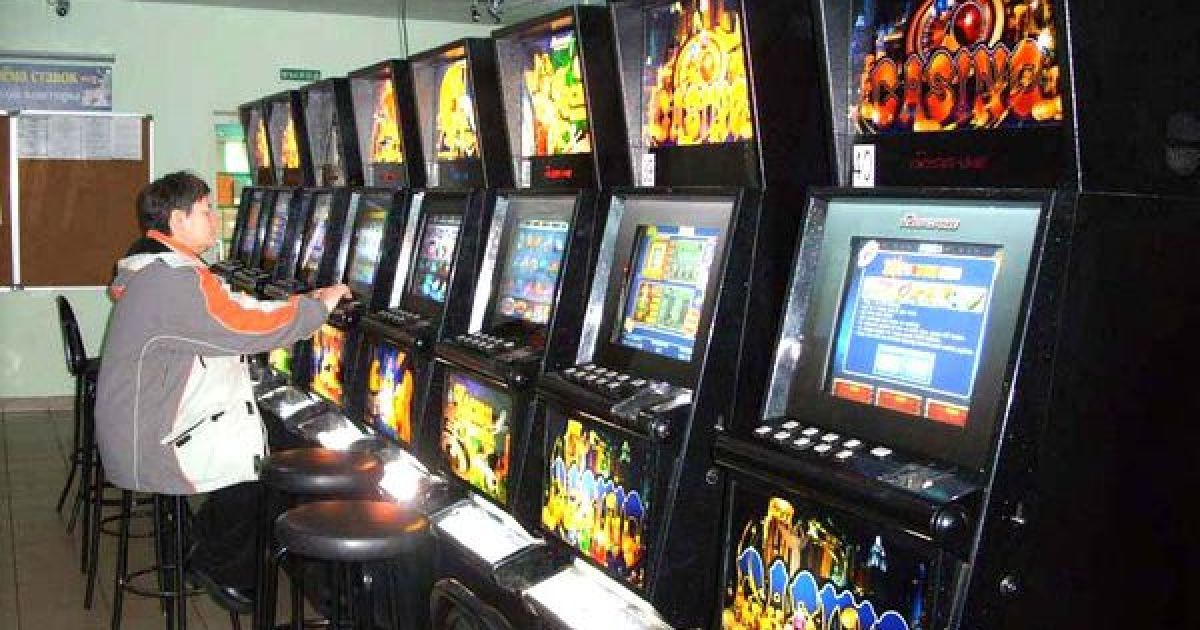
Discovering More About Gambling Entertainment
For those seeking to explore the multifaceted world of gambling entertainment, numerous resources are available to enhance understanding and enjoyment of this rich history. Whether you are a novice eager to learn about the origins and evolution of casinos or a seasoned player looking to delve deeper into game mechanics and strategies, there is a wealth of information at your fingertips.
Engaging with expert insights and curated content can illuminate various aspects of the gambling industry. From the regulatory frameworks that shape online platforms to the cultural significance of casinos around the world, understanding these elements can enhance your gaming experience. You can find comprehensive guides, articles, and reviews that cater to your interests and needs.
Embarking on your journey into the world of gambling entertainment can be both thrilling and educational. With the right resources, you can navigate the evolving landscape of casinos and enjoy the many forms of gaming available today. Whether you prefer the excitement of a traditional casino or the convenience of online betting, there is something for everyone in this vibrant industry.
0 Comments